Detailing Guide
Lake Lowell and Snake River Boat Detailing: What Local Owners Need
Detail-cycle planning for Lake Lowell and Snake River boats — pre-opener, mid-season, and pre-storage timing for Caldwell owners.
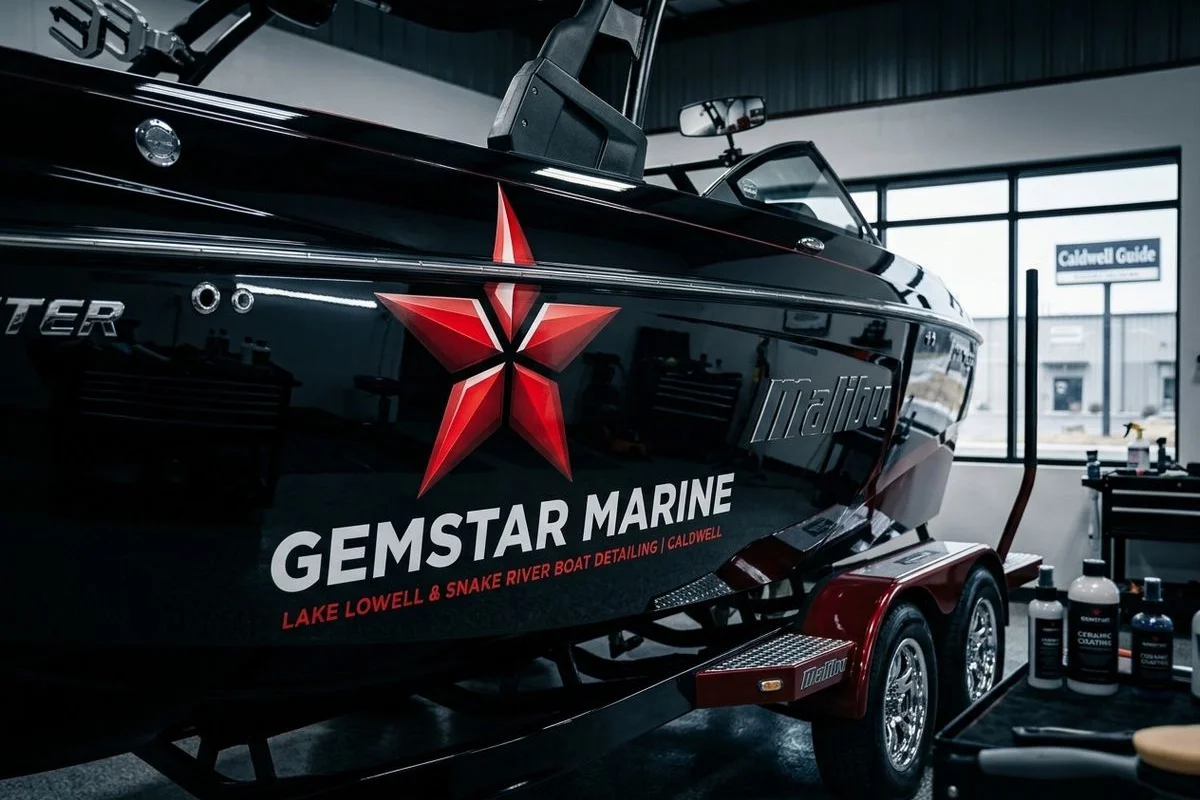
Our team understands that proper lake lowell boat detailing requires specific local knowledge.
The varying water conditions between valley reservoirs, the river corridor, and high-mountain lakes demand a strategic approach to gel coat care. Knowing exactly what each water body throws at your fiberglass helps you plan the right protection. Let’s examine the primary environmental factors affecting your vessel and outline a practical maintenance schedule.
You can easily Book pre-season or pre-storage Lake Lowell detailing → to secure your preferred date.
The Lake Lowell Boat Detailing Calendar
The official motorized boating season on Lake Lowell runs from April 15 to September 30. The Deer Flat National Wildlife Refuge enforces this strict window to protect migrating birds.
Our schedule aligns directly with these dates to get local owners on the water fast. You must secure pre-season work between mid-March and the first week of April. Slots fill up incredibly fast during this spring rush.
We highly advise booking four to six weeks in advance to guarantee a turnaround before opening day.
- Pre-season detail: Book these sessions early to address storage dust and apply fresh protection.
- Active season: Mid-season touch-ups keep hard water spots from etching into the gel coat.
- Pre-storage detail: Schedule this cleanout in late September before nighttime freezing hits the valley.
The 2025 spring calendar reached full capacity by early April for our shop. Business owners and recreational boaters should plan their 2026 service dates well ahead of the rush.
What Lake Lowell Does to Gel Coat
The mineral-heavy water in Lake Lowell deposits high levels of calcium and magnesium directly onto your hull. These alkaline minerals create stubborn white rings that bake into the surface under the summer sun.
Our detailers frequently see permanent etching on vessels that skip regular washings. The sun chemically bonds these hard water spots to the clear coat. A simple soap wash cannot break down these mineral bonds once they set.
We recommend keeping a spray bottle with a 50/50 mix of white vinegar and distilled water on board. A quick wipe-down at the Lower Dam Recreation Area boat ramp neutralizes fresh spots immediately.
The primary environmental exposures include:
- Hard-water spotting: Calcium rings form rapidly on the hull above the waterline.
- Bug etching: Acidic byproducts from biting flies and waterfowl eat through basic waxes.
- UV exposure: The intense Idaho sun oxidizes upper sidewalls and bow areas quickly.
- Trailer transport: Highway grime and road oils contaminate the hull during the short tow.
- Sand and silt: Beach landings drag abrasive dirt right into your bilge and interior carpets.
Our end-of-season inspections typically reveal moderate oxidation on boats used heavily over the five-month window. Catching this damage early prevents the need for aggressive wet sanding later.
Snake River Specific Considerations
Running the Snake River corridor introduces heavy, abrasive sediment into your engine cooling system and against the hull. The fast-moving current acts like liquid sandpaper on your fiberglass finish.
Our technicians pay special attention to the deep scratches caused by this constant abrasion. River water also contains different mineral profiles that create highly aggressive spotting. Silt buildup requires a specialized acid wash to fully remove from the porous gel coat.
We focus heavily on the bottom half of the boat to combat this localized wear. Frequent river runners face several unique challenges:
- Sediment-laden water: Sand and grit constantly abrade the bottom of the hull over time.
- Aggressive spotting: The unique mineral mix requires specialized acid neutralizers for safe cleaning.
- Faster current: Moving water pushes debris higher up the wave-line on specific hull positions.
Our most frequent river clients bring their vessels in for mid-summer maintenance washes. This proactive step stops silt from permanently staining the white fiberglass. A dedicated snake river boat detail removes these stubborn deposits safely.
Cascade Reservoir and Payette Lake Considerations
Boating at higher elevations like Cascade and Payette exposes your vessel to significantly stronger UV radiation. The thinner mountain atmosphere accelerates gel coat fading and vinyl cracking.
Our preferred defense against this high-altitude sun is a professional-grade marine ceramic coating. The cooler year-round water temperatures in these mountain lakes also change how your engine and bilge handle moisture.
The high-altitude environment presents three distinct challenges:
- Intense UV rays: The thinner atmosphere strips unprotected wax in a matter of weeks.
- Cold water temperatures: Dramatic temperature shifts increase condensation within closed interior compartments.
- Highway towing: The long haul up Highway 55 coats your hull in abrasive road grime before you launch.
We heavily condition vinyl seating to prevent the cold mountain air from making the material brittle. Proper conditioning keeps your interior soft and prevents expensive upholstery repairs.
Recommended Detail Cycle for Caldwell-Area Boats
The right maintenance schedule depends entirely on how many days you spend on the water. A structured cycle prevents permanent staining and protects your fiberglass investment.
Our service plans adapt to your specific usage habits. Local Treasure Valley shops see distinct wear patterns that dictate these timelines.
High-Use Wakeboard Boats
A typical wakeboard boat logging 30 or more days per season requires a constant defense strategy.
- March to April: Book a pre-season wash and wax to address storage dust and lock in spring protection.
- Mid-July: Schedule an optional mid-season touch-up to strip away accumulated hard water calcium.
- September to October: Plan a pre-storage restoration to remove summer damage and seal the hull for winter.
Low-Use Fishing Boats
A dedicated fishing boat used 10 to 15 days per season needs less frequent correction.
- March to April: Start with a light pre-season wash and a durable polymer sealant.
- September to October: Finish the year with a thorough pre-storage cleaning and bilge degreasing.
Ceramic Coated Vessels
Boats protected by a marine ceramic coating follow a highly specialized maintenance path.
- March to April: Perform a pre-season decontamination wash and apply a ceramic top-up spray.
- September to October: Execute a pre-storage inspection to ensure the coating still repels water perfectly.
Boat Type and Use Pattern Adjustments
Different boat styles require completely different cleaning strategies. A large pontoon needs specialized metal care, while a premium wake boat demands flawless clear coat correction.
Our crews use dedicated aluminum polishes for pontoon tubes stored shoreside. The sheer size of a pontoon deck requires extra hours just for vinyl seat conditioning.
We focus on entirely different areas when prepping a tournament-class ski boat. Specific boat types face unique wear patterns:
- Pontoon boats: These require massive attention to deck cleaning due to the large surface area.
- Wake and ski boats: These feature premium gel coat surfaces where marine ceramic coatings offer the highest value.
- Fishing boats: Beach landings cause severe hull abrasion that requires targeted bottom-paint coordination.
- Tournament-class boats: These vessels need a show-quality detail before every single event to meet strict standards.
Comprehensive treasure valley boat care addresses all these specific material needs.
Drop-Off Logistics
Our Caldwell facility comfortably accommodates trailered boats up to 30 feet in length. The wide bays easily fit large class boats and deep-V bowriders.
We coordinate our launch timing specifically with clients targeting the April 15 Lake Lowell opener. Securing a same-week turnaround ensures your boat is spotless for the first weekend of the season.
To make the drop-off process smooth, please observe these guidelines:
- Call ahead: Verify bay availability for your specific boat length before driving over.
- Clear the interior: Remove all personal gear, life jackets, and trash from the cabins.
- Check the trailer: Ensure your trailer tires have proper air pressure for the trip to the shop.
Late drop-offs often miss the critical opening window entirely. Scheduling your lake lowell boat detailing now guarantees your vessel looks perfect when you hit the water. Reach out to the shop today to secure your preferred date and protect your marine investment.
Related Service
Boat Detailing
Ready to book this service in Caldwell? Get a same-day written quote.
Learn More About Boat DetailingRelated Guides